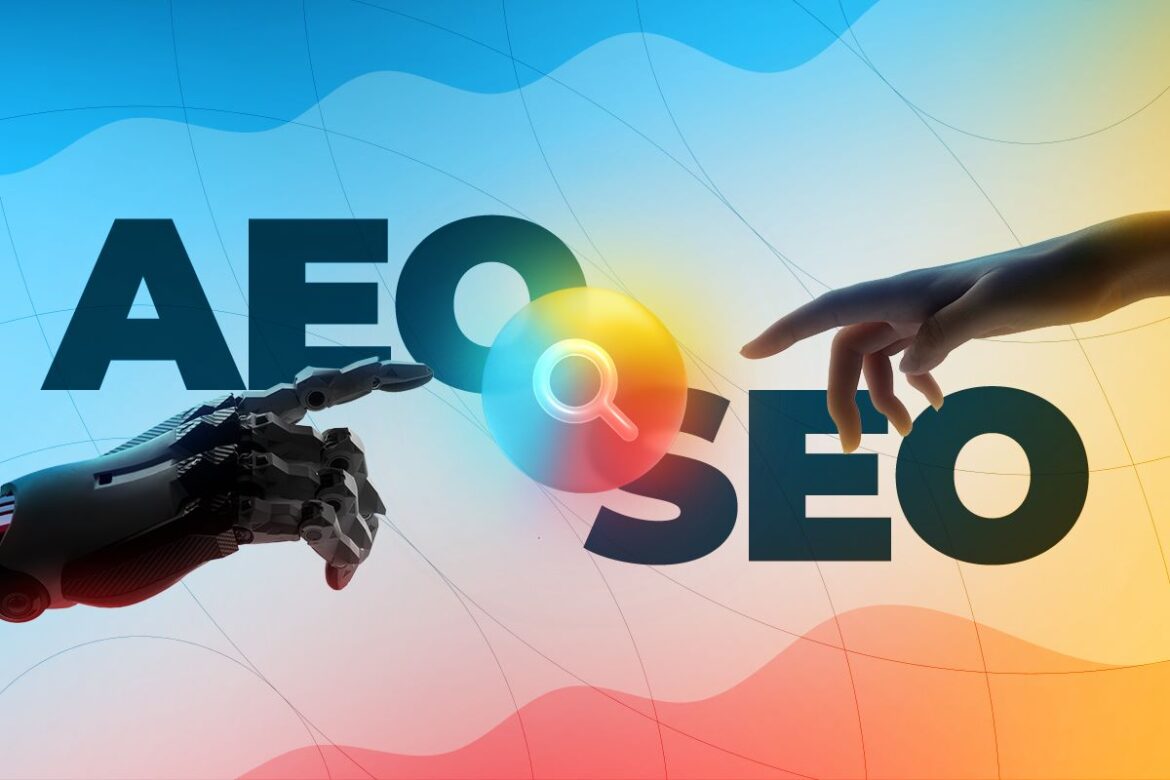
That shift is why many businesses are comparing an AEO SEO agency with a traditional SEO agency. They overlap, but they do not optimise for the same end result.
What does “traditional SEO” actually focus on?
Traditional SEO focuses on improving rankings in classic search results and driving organic traffic to a website. The primary goal is typically to get more clicks from Google and Bing for target keywords.
An AEO vs SEO agency differs in focus. While an SEO agency prioritizes keyword research, on-page optimization, technical fixes, content production, and backlink building, an AEO agency focuses on improving how a brand is represented in AI-driven search results. This includes optimizing content for AI tools to easily reference, boosting visibility in AI-generated summaries, and ensuring brand mentions in AI-powered channels.
In contrast, an AEO agency specializes in optimizing how a brand is represented across AI-driven results, ensuring that content is easy for AI tools to cite and enhancing visibility in AI summaries and other non-traditional search channels.
What is an AEO SEO agency trying to achieve?
An AEO SEO agency focuses on getting a brand’s content used directly in answer engines and AI-driven search features. The goal is often visibility and attribution inside the answer itself, not just a blue-link click.
AEO usually stands for Answer Engine Optimisation. In practice, it aims to make content easy for AI systems to interpret, trust, extract, and cite when they generate responses.
How are the end goals different?
Traditional SEO aims to win the click. AEO aims to win the mention, the citation, or the “sourced from” placement, even when the user never leaves the AI interface.
That difference matters because zero-click behaviour is rising across SERPs and AI tools. For many queries, the “best outcome” is no longer a visit, but being the brand that gets referenced as the answer.
How do deliverables differ between AEO and traditional SEO?
Traditional SEO deliverables usually include keyword maps, content briefs, technical audits, link plans, and ranking reports. The outputs are designed to improve crawlability, relevance, and authority for standard results.
AEO deliverables often include structured Q&A content, entity optimisation, schema implementation, content designed for extractability, and monitoring of AI citations. They also tend to focus more on clarity, definitions, comparisons, and step-by-step answers. You may like to visit https://www.studyaustralia.gov.au/vi/tools-and-resources/tips-and-advice-for-students/using-ai-tools-in-your-studies to get more about using AI tools in your studies.
What changes in keyword research and content planning?
Traditional SEO commonly targets keywords based on volume, difficulty, and commercial intent. It often clusters content around head terms and supporting long-tail keywords to build topical authority.
AEO planning leans harder into questions, follow-ups, and “best answer” formatting. It targets conversational prompts, comparison queries, definitions, and tasks, then writes in a way that AI can quote accurately without losing context.
How is content written differently for AEO?
Traditional SEO content can be longer, designed to rank by covering a topic comprehensively and internally linking to related pages. It may still be answer-focused, but it often balances depth with persuasion for conversion.
AEO content is typically more direct, with clear headings, short answer blocks, and well-structured sections. It aims to reduce ambiguity, define terms cleanly, and make key facts easy to extract, reuse, and cite.
What role do entities and structured data play?
In traditional SEO, entities and schema help, but many campaigns still succeed with strong content and links alone. Structured data is often used for rich snippets and clearer indexing.
In AEO, entities and structured data become much more central because AI systems rely heavily on understanding relationships between concepts. Schema, consistent naming, author information, and clear organisation can increase the chances of being interpreted correctly and referenced.
How do authority and trust signals differ?
Traditional SEO authority is often built through backlinks, brand mentions, and strong content performance. Most agencies still treat link acquisition as a major lever for competitive terms.
AEO still benefits from authority, but trust signals broaden. Clear sourcing, expert attribution, transparent author pages, and consistent facts across the web can matter more because AI systems favour information that looks stable, reputable, and easy to verify.
How is performance measured in each approach?
Traditional SEO measurement focuses on rankings, organic sessions, click-through rate, and revenue from organic traffic. Reporting often centres on keyword movements and landing-page performance.
AEO measurement looks at visibility inside AI features, citations, and brand presence in generated answers. It may track prompt sets, share of voice in AI responses, changes in branded search demand, and assisted conversions that come from being discovered via AI summaries.
Who should choose an AEO SEO agency?
An AEO SEO agency is a better fit when a business depends on informational discovery and wants to be the “named source” in AI answers. It is also useful when competitors dominate rankings, but there is still an opportunity to win visibility in summaries, citations, and Q&A placements.
They are often a strong choice for SaaS, finance, healthcare, B2B services, and any category where users ask comparison-heavy questions before buying.
Who should stick with traditional SEO?
Traditional SEO remains the right choice when a business needs consistent organic traffic from standard search results, especially for location-based searches and transactional pages. For many industries, classic rankings still drive the majority of revenue.
They are also a solid option when the website has technical problems, thin content, or weak authority and needs foundational SEO work before any advanced AEO strategy will stick. Click here to get why businesses invest in Umbraco consulting before a website rebuild.
Is one approach “better”, or do they work best together?
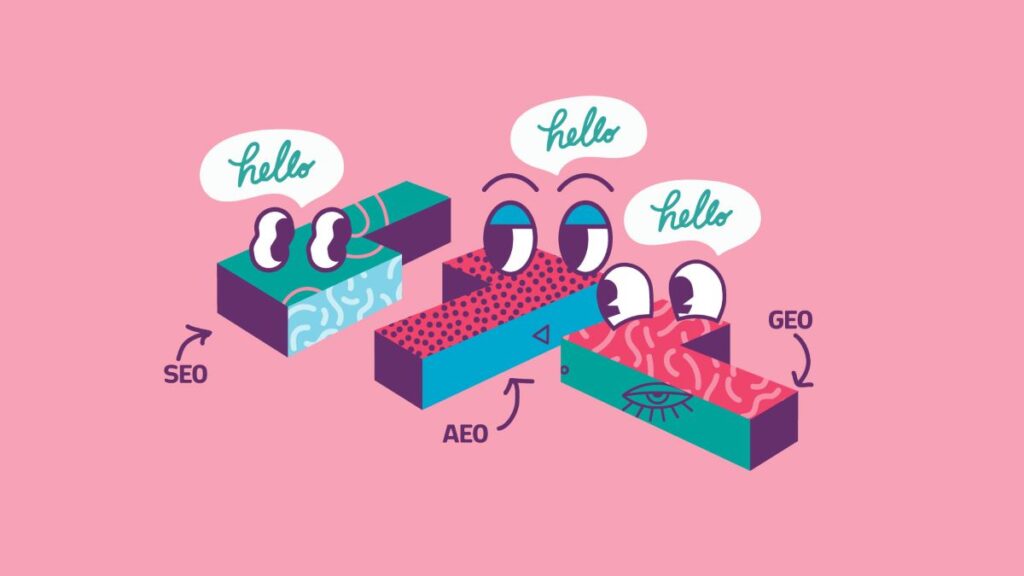
Neither is universally better. They work best together because traditional SEO builds the foundation that makes AEO easier to win, and AEO can protect visibility when clicks decline.
A practical approach is to maintain technical SEO and rankings work, then layer AEO content formats on top for high-value question queries. That way, the brand can earn clicks when they exist and still get cited when they do not.
What should they ask an agency before hiring?
They should ask what the agency is optimising for and how success will be measured. If the agency can only talk about rankings, it may not be ready for AEO.
Good questions include: which answer engines they track, how they test prompts, what structured data they implement, how they improve “extractability”, and how they handle accuracy and source quality. The agency should also explain what they will do in the first 30 to 60 days and what evidence they will use to prove progress.
What’s the simplest way to think about the difference?
Traditional SEO is about ranking pages to earn clicks. AEO is about shaping content so answer engines can confidently use it as the answer.
A business does not need to pick one forever. They just need to choose the partner that matches their current goals, then build towards a blended strategy that wins both search results and AI-generated answers.
FAQs (Frequently Asked Questions)
What is the main difference between traditional SEO and AEO SEO agencies?
Traditional SEO agencies focus on improving website rankings in classic search results to earn organic clicks, while AEO (Answer Engine Optimisation) agencies aim to get a brand’s content directly used and cited within AI-driven answer engines, prioritising mentions over clicks.
How do the goals of traditional SEO and AEO differ?
Traditional SEO aims to increase website visits by winning clicks through higher rankings, whereas AEO focuses on gaining visibility and attribution inside AI-generated answers, even if users do not visit the website.
What are the key deliverables of an AEO SEO agency compared to a traditional SEO agency?
A traditional SEO agency typically delivers keyword maps, content briefs, technical audits, link plans, and ranking reports. In contrast, an AEO agency provides structured Q&A content, entity optimisation, schema implementation, content designed for AI extractability, and monitoring of AI citations.
How does keyword research differ between traditional SEO and AEO strategies?
Traditional SEO targets keywords based on volume, difficulty, and commercial intent focusing on head terms and long-tail keywords. AEO planning emphasises conversational prompts, questions, comparisons, definitions, and tasks formatted as ‘best answers’ for accurate AI quoting.
Why are entities and structured data more important in AEO than in traditional SEO?
In AEO, entities and structured data are central because AI systems rely heavily on understanding relationships between concepts. Proper schema markup, consistent naming, author information, and clear organisation help AI interpret and cite content accurately.
Who should consider hiring an AEO SEO agency versus sticking with traditional SEO?
Businesses that depend on informational discovery and want to be named sources in AI answers—such as SaaS, finance, healthcare, or B2B services—should consider AEO agencies. Traditional SEO remains suitable for businesses needing consistent organic traffic from standard search results or foundational SEO improvements.